The best marketing books are the ones that still hold up years after publication, because they explain how the human mind works rather than how a tool works. Channel manuals about a specific ad platform age in two or three years. The books on this list are evergreen. They cover psychological principles, empirical evidence about how brands actually grow and communication rules that do not depend on the current technology. That is exactly why a copywriter in 2026 still reads an Ogilvy book from the 1960s.
I run a marketing agency, so these are books I have actually read and returned to, not titles pulled from whatever ranks first on a search. I have organized them so you can skip to what matches your current gap. Every book here is real, with its author named accurately. I have described each one in my own words rather than quoting from it. Let me give you the twelve that earn their place.
How I chose these books
I used three filters. First, durability: the ideas have to outlast any single platform or trend. Second, evidence or craft: the book either rests on real data about buyer behavior or teaches a timeless communication skill. Third, usefulness: you should be able to extract one thing you can apply within a week. The ranking is my editorial opinion, not an objective measure, so treat the order as a guide and read by your role and your bottleneck rather than strictly top to bottom.
The 12 best marketing books at a glance
| # | Book | Author | Best for |
|---|---|---|---|
| 1 | Influence | Robert Cialdini | Understanding persuasion |
| 2 | This Is Marketing | Seth Godin | Modern strategy and mindset |
| 3 | Positioning | Al Ries and Jack Trout | Owning a place in the mind |
| 4 | How Brands Grow | Byron Sharp | Evidence-based growth |
| 5 | Building a StoryBrand | Donald Miller | Clarifying your message |
| 6 | Ogilvy on Advertising | David Ogilvy | Advertising fundamentals |
| 7 | Made to Stick | Chip and Dan Heath | Memorable ideas |
| 8 | Contagious | Jonah Berger | Word of mouth |
| 9 | Hooked | Nir Eyal | Habit-forming products |
| 10 | Alchemy | Rory Sutherland | Counter-intuitive thinking |
| 11 | Scientific Advertising | Claude Hopkins | Testing and measurement |
| 12 | $100M Offers | Alex Hormozi | Pricing and offers |
The 12 best marketing books in 2026
1. Influence, by Robert Cialdini
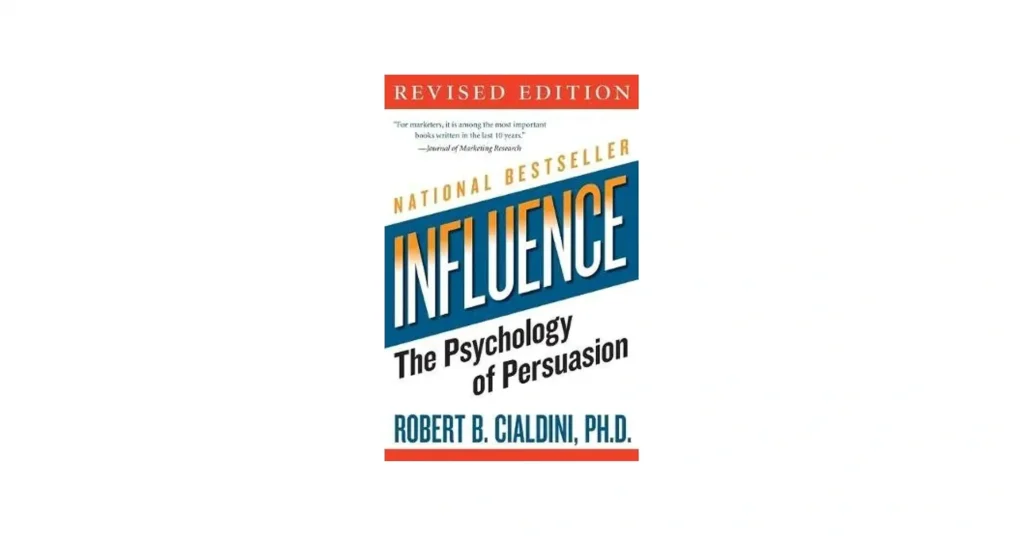
If you read one book on this list, make it this one. Cialdini distills decades of behavioral research into a set of principles that drive people to say yes: reciprocity, commitment and consistency, social proof, authority, liking and scarcity. Later editions add a unity principle. The value for a marketer is a sharp lens on why buyers respond to certain messages and offers, so you can design persuasion that feels honest rather than pushy. Best for anyone who wants to understand the psychology underneath every campaign.
2. This Is Marketing, by Seth Godin
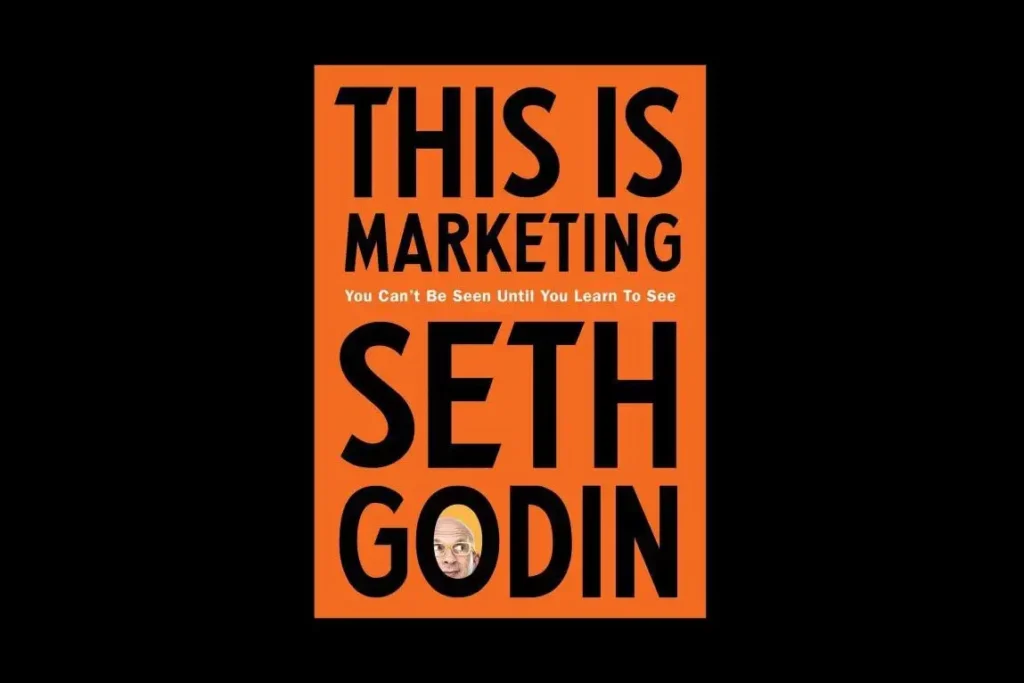
Godin reframes marketing as service rather than as chasing attention. The core idea is to pick the smallest viable audience, understand what they believe, then make something genuinely worth talking about. It is more mindset than tactics, which is precisely its strength, since it resets how you think about strategy and messaging. Best for marketers who want a modern, people-first foundation before reaching for tools.
3. Positioning, by Al Ries and Jack Trout
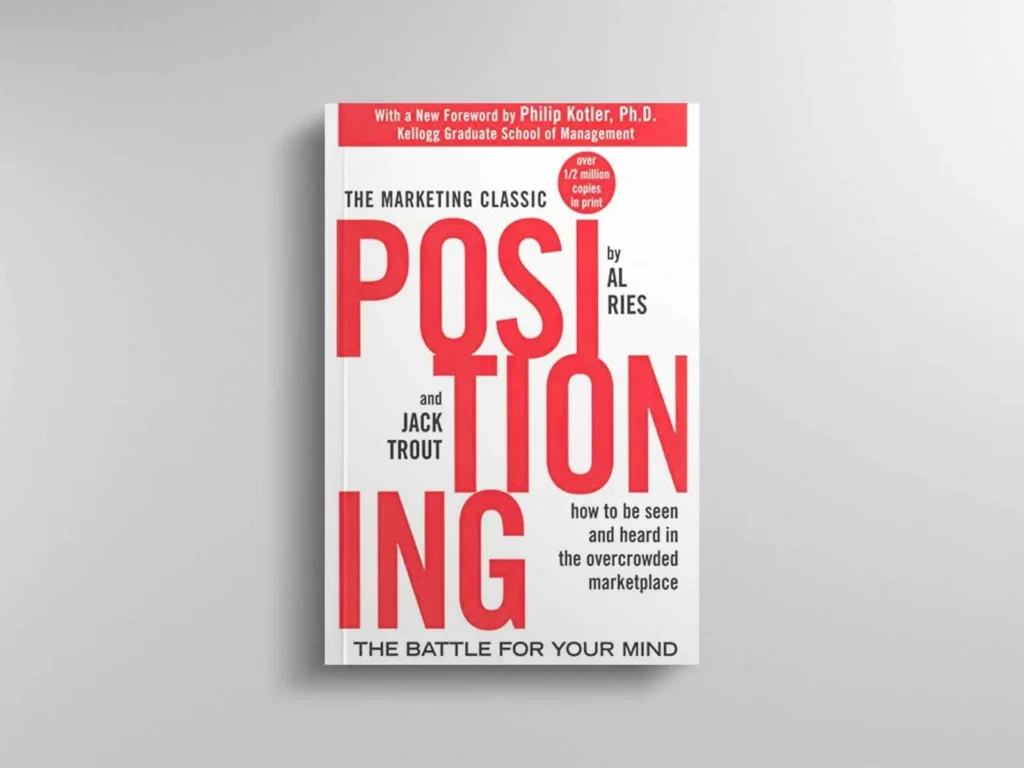
First published in 1981, Positioning introduced the idea that you win by owning a clear place in the customer’s mind, not by having the best product. The authors argue for simplicity, differentiation and consistent repetition. It remains foundational because the human mind has not changed: people sort brands into mental categories and remember the leader. Best for anyone deciding what their brand should stand for in a crowded market.
4. How Brands Grow, by Byron Sharp
This is the most data-dense book on the list. Sharp reworks decades of consumer-panel research from the Ehrenberg-Bass Institute to show that many cherished marketing beliefs are disproven by the numbers. The findings on mental and physical availability, light buyers and reach reshape how you should allocate budget. Best for brand managers and anyone who wants their strategy grounded in evidence rather than folklore. It is dense, so give it time.
5. Building a StoryBrand, by Donald Miller
Miller offers a seven-part framework for clarifying your message by casting the customer as the hero and your brand as the guide. The structure moves through the customer’s problem, the plan you offer, the call to action and the stakes of success or failure. It is intensely practical, which is why marketers keep a marked-up copy on the desk. Best for anyone whose website or campaigns are confusing rather than clear.
6. Ogilvy on Advertising, by David Ogilvy
Ogilvy built one of the most successful agencies in history. His writing on advertising still reads as fresh, direct advice. He covers what makes an ad work, how to write headlines that sell and how to build a brand with discipline. His earlier book, Confessions of an Advertising Man, pairs well with it. Best for copywriters and anyone who wants the fundamentals of persuasion in print from a master of the craft.
7. Made to Stick, by Chip Heath and Dan Heath
The Heath brothers investigate why some ideas survive and spread while others vanish. Their framework explains the traits sticky ideas share, including simplicity, unexpectedness, concreteness and emotional resonance. For a marketer, it is a blueprint for making a message memorable enough to repeat. Best for early-stage product people and anyone crafting a core message that has to stick in a busy mind.
8. Contagious, by Jonah Berger
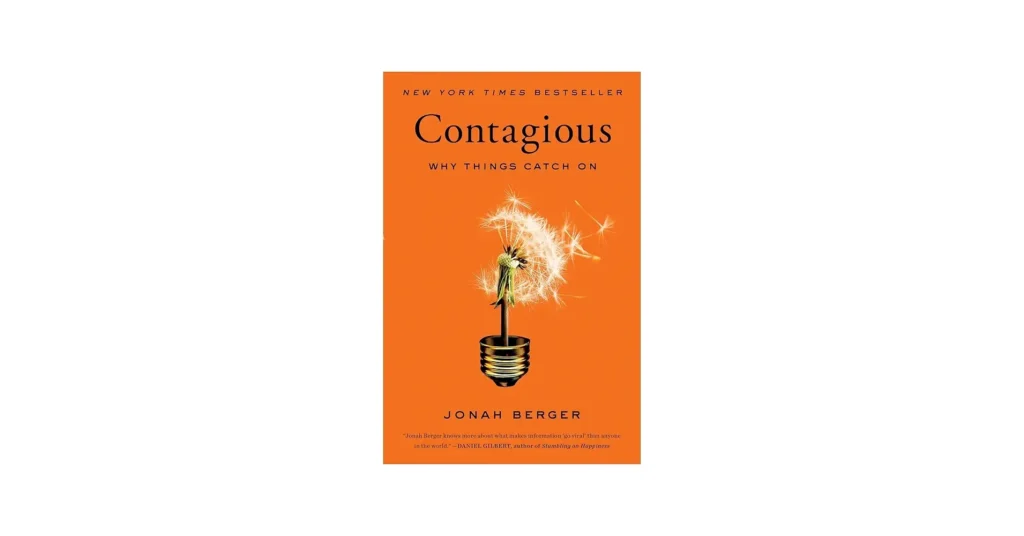
Berger studies what makes content and products get shared, distilling it into a set of drivers behind word of mouth, including social currency, triggers, emotion and practical value. It is research-backed and readable, with clear examples of why things spread. Best for anyone who has to publish content or earn organic reach, especially for consumer brands that live on sharing.
9. Hooked, by Nir Eyal
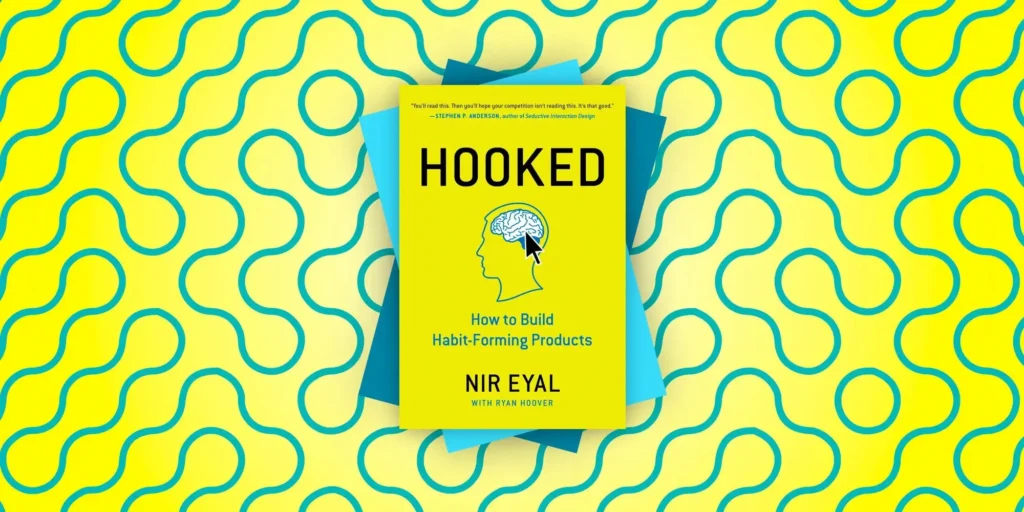
Eyal lays out the Hook Model, a four-step loop of trigger, action, variable reward and investment that explains how products build habits. It is the base reading for anyone shaping how users engage with a digital product over time. Best for product marketers in SaaS and mobile who need users to come back without constant paid prompting.
10. Alchemy, by Rory Sutherland
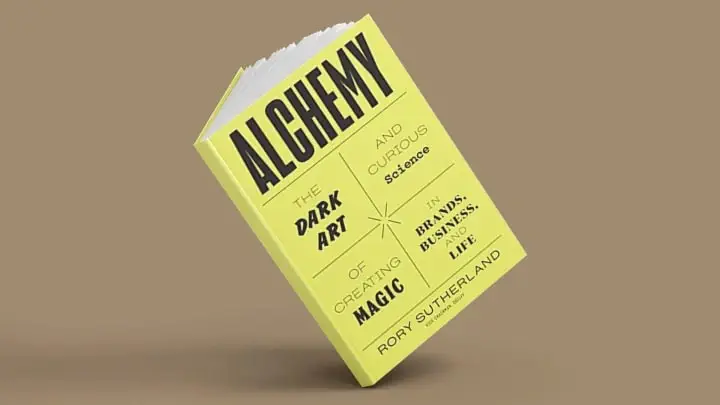
Sutherland, a veteran of the advertising world, argues that the biggest commercial gains often come from ideas that make no logical sense on a spreadsheet. The book is a celebration of behavioral science and counter-intuitive thinking, full of examples where the irrational solution outperformed the rational one. Best for creative strategists who want permission to test ideas that data alone would reject. The style is digressive, so read it for stimulation rather than a checklist.
11. Scientific Advertising, by Claude Hopkins
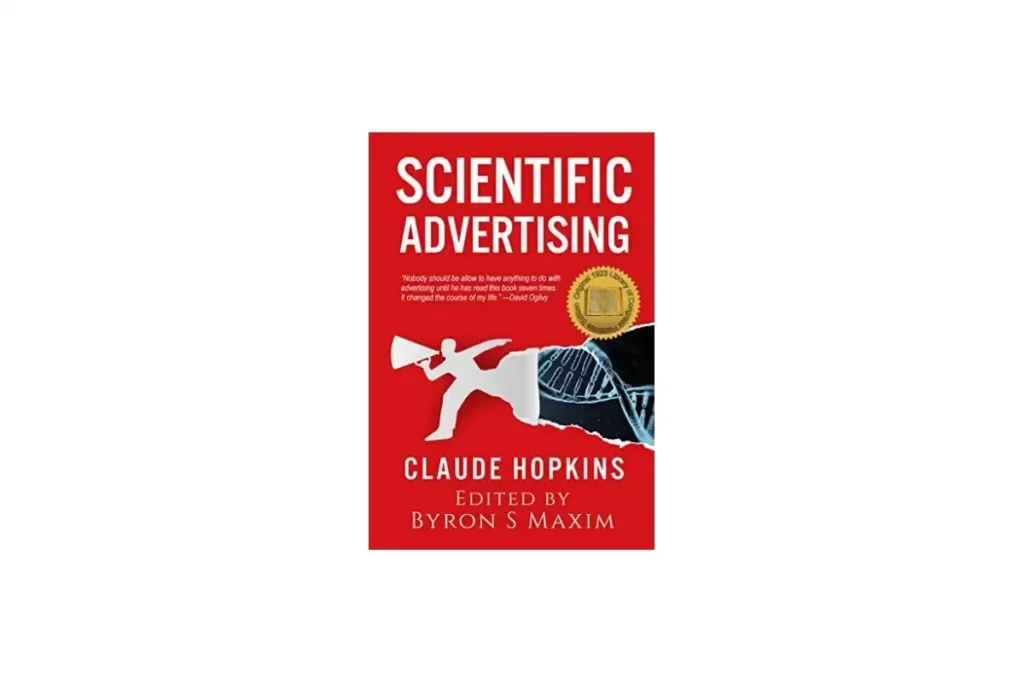
Written in 1923, this short book still beats most modern titles on the fundamentals. Hopkins treated advertising as salesmanship in print, insisting that every claim be testable and every campaign be measured. He pioneered split testing, coupon-based tracking and testing before scaling, the very practices performance marketers use today. Ogilvy reportedly said nobody should work in advertising until they had read it several times. Best for anyone who wants the origin of data-driven marketing.
12. $100M Offers, by Alex Hormozi
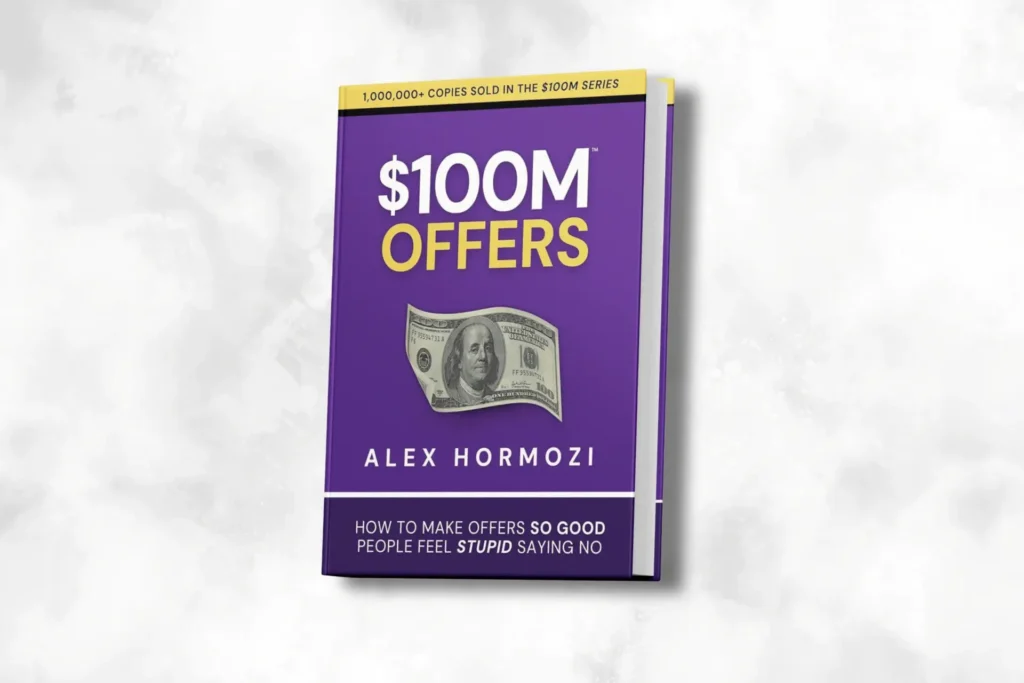
The most modern book on the list, Hormozi’s work focuses on building an offer so compelling that price objections fall away. His value equation, weighing the dream outcome and likelihood of success against time and effort, reframes how you package and price what you sell. The key insight for agencies and service businesses is to sell the outcome the client wants rather than the deliverable. Best for founders and service providers who need to price for value instead of competing on cost.
A suggested reading order
You do not have to read these top to bottom. If you are early in your career, start with This Is Marketing to understand why you do marketing, then Influence to understand how people are persuaded. A copywriter should reach for Ogilvy, Made to Stick and Building a StoryBrand. A brand manager needs How Brands Grow. A SaaS or mobile product marketer should begin with Hooked. Anyone pricing a service should read $100M Offers. Spread across a year at one book a month, the set takes roughly seventy to eighty hours and changes how you judge every marketing idea you meet afterward.
Turning books into results
Reading is the easy part. The test I apply to every marketing book is simple: can I extract one specific thing to implement in the next seven days? A list of principles is only worth the campaigns it changes. Positioning tells you what to own in the market. StoryBrand tells you how to say it. Cialdini tells you why people respond. The work is translating those frameworks into real positioning, real copy and real campaigns. That translation is the work I do at Rotana through our content strategy service. If you are applying these ideas to build your own firm, my guide on how to start a digital marketing agency puts them to work. My list of the top email marketing consultants shows who applies them well.
Frequently asked questions
What is the best marketing book for beginners?
For someone new to marketing, the two best entry points are This Is Marketing by Seth Godin, which explains the mindset and purpose behind good marketing, plus Influence by Robert Cialdini, which explains the psychology of persuasion. Both are accessible, do not assume prior knowledge and give you a foundation the more advanced books build on. Building a StoryBrand by Donald Miller is a strong third pick for its immediately practical messaging framework.
What is the single best marketing book of all time?
There is no universal answer, since the best book depends on your role. For raw persuasion psychology, Influence by Robert Cialdini is the most cited. For evidence-based brand growth, How Brands Grow by Byron Sharp is the most rigorous. For timeless advertising craft, David Ogilvy and Claude Hopkins remain essential. If forced to recommend one starting point for most marketers, Influence offers the widest, most durable return.
Are old marketing books still relevant in 2026?
Yes, often more than recent ones. Books like Scientific Advertising from 1923, Positioning from 1981 and Ogilvy’s work from the 1960s remain relevant because they describe how the human mind works rather than how a specific tool works. Psychology and the principles of persuasion change slowly, while platforms change constantly. Channel-specific manuals about a particular ad system tend to age within a few years, but principle-based classics stay useful for decades.
What marketing books should a copywriter read?
A copywriter benefits most from craft-focused titles. Ogilvy on Advertising and Confessions of an Advertising Man teach timeless advertising principles. Made to Stick by the Heath brothers explains how to make a message memorable. Building a StoryBrand by Donald Miller gives an operational framework for clear messaging. Scientific Advertising by Claude Hopkins adds the discipline of testing and measurement. Together they cover principle, memorability, structure and rigor.
How many marketing books should I read to improve?
Quality and application matter far more than quantity. Reading the twelve on this list over a year, at about one a month, gives most marketers a deep and durable foundation in roughly seventy to eighty hours. The bigger lever is implementation: extracting one usable idea from each book and applying it within a week. A marketer who acts on five books outperforms one who passively reads fifty, so read deliberately and put each idea to work.